
How to Choose Sustainable Promotional Gifts Without Greenwashing
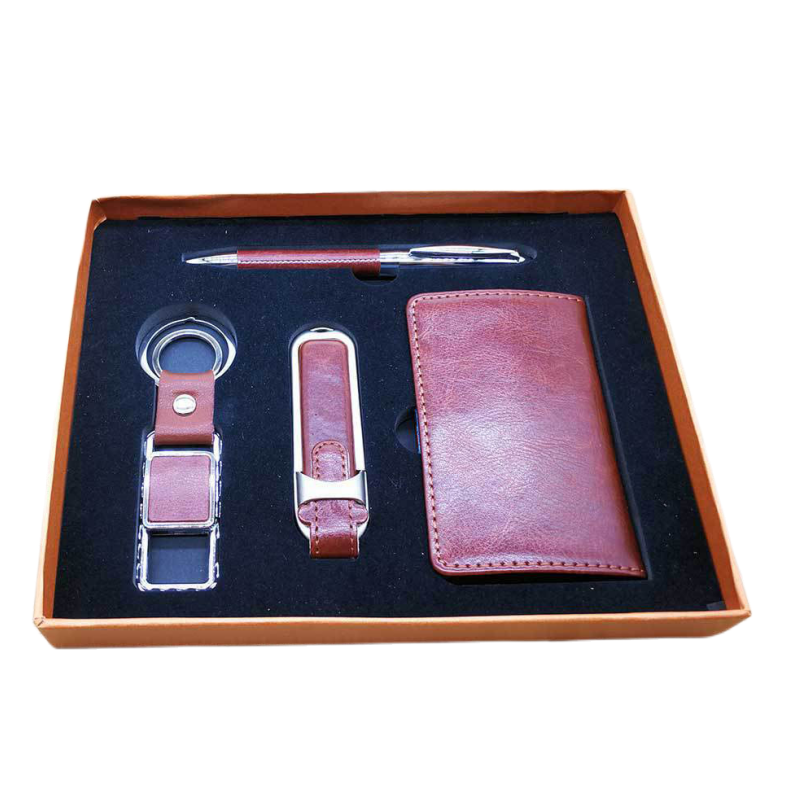
A practical sourcing checklist for durable materials, responsible packaging, credible product claims and lower-waste custom promotional gifts.
Sustainable promotional gifts are now a normal part of corporate sourcing briefs. However, the word “sustainable” can describe very different products, from genuinely durable reusable items to low-quality products carrying an unsupported green claim. For procurement teams, the challenge is to separate useful improvements from marketing language.
A responsible gift program begins before product selection. It considers usefulness, expected lifespan, material information, packaging, customization and transport together. The following checklist helps buyers compare options more consistently.
Begin With Usefulness and Lifespan
The most sustainable gift is often the one a recipient continues to use. A product made with recycled content still creates waste if it breaks quickly or does not fit the audience. Before asking whether an item is “green,” ask three simpler questions:
- Does the recipient have a realistic use for it?
- Is the construction strong enough for regular use?
- Will the design remain appropriate after the campaign?
Reusable drinkware, notebooks, pens, desk accessories and durable bags can perform well because they fit established habits. Product relevance reduces disposal and extends brand exposure.
Request Specific Material Information
A credible supplier should be able to explain the principal materials instead of relying only on broad terms such as “eco” or “natural.” Depending on the product, buyers may ask about recycled content, paper source, wood type, stainless-steel grade, coating, lining or packaging material.
For wooden promotional products, confirm what parts are wood and what parts use metal or plastic. For notebooks, consider the cover material, paper and binding quality. For drinkware, examine reusability, lid construction and ease of cleaning. Material choice matters, but product performance remains essential.
Avoid Unverifiable Environmental Claims
Claims should be proportional to the available evidence. “Contains recycled material” is more precise than “100% sustainable.” “Reusable stainless-steel tumbler” describes a functional benefit without promising a complete lifecycle outcome that cannot be verified.
When a certification is important to your organization, request current documentation and check what it actually covers. A certificate may apply to a material, factory process or specific product range rather than every component in a gift set.
Choose Branding That Extends Product Life
Oversized campaign artwork can make a useful item feel temporary. Subtle, durable decoration often increases the chance that recipients will keep using the product after the event. Laser engraving, debossing and restrained hot stamping can integrate branding into the item rather than making it look like disposable advertising.
Neutral colors and practical designs also support longer use. If a campaign requires bright colors, apply them to a replaceable sleeve, message card or outer package while keeping the core product versatile.
Reduce Packaging Before Replacing Materials
Packaging improvement is not only about changing plastic to paper. The first step is eliminating unnecessary layers. A compact fitted insert can protect products with less material than multiple bags and fillers. Right-sized cartons reduce shipping volume and help prevent damage.
Ask your supplier whether individual polybags are necessary, whether inserts can be simplified and whether printed areas can be reduced. Premium presentation and reduced waste are compatible when the packaging is designed around the product combination.
Build a Focused Gift Set
A smaller set of complementary products is often more responsible than a large assortment. Start with one high-use item and add only products that support the same context. Examples include:
- A notebook and metal pen for meetings and onboarding.
- A tumbler and compact notebook for travel and field teams.
- A wooden notebook, pen and card holder for an executive presentation.
- A mug and towel set for hospitality or seasonal appreciation.
Browse Besery’s wooden gift sets, promotional tumbler gifts and ceramic mug and towel sets for practical starting points.
Plan Samples and Quality Checks
A pre-production sample helps confirm color, logo position, material feel and packaging before bulk manufacturing. For larger programs, define acceptable tolerances and inspection points in advance. This reduces rejected goods, urgent remakes and avoidable transport—all of which carry environmental and financial costs.
Also confirm whether the final shipping carton protects the gift during international transport. Damage creates waste even when the product itself uses responsible materials.
A Buyer’s Sustainable Gift Checklist
- Define the recipient, use case and expected lifespan.
- Request specific material and construction details.
- Ask for evidence behind important environmental claims.
- Select durable decoration and a design people will continue using.
- Remove unnecessary packaging and right-size the shipping carton.
- Approve a sample before bulk production.
- Measure success by use and retention, not only quantity distributed.
Besery can help compare product, decoration and packaging options for your budget and campaign requirements. Contact us with your target quantity, preferred materials and delivery market to develop a practical custom gift solution.
Industry references: Cyan Group: sustainability and quality in 2026 gifting; Arcadia: merchandise buying trends and sustainability demand.